

By Linda Graham, CFP®
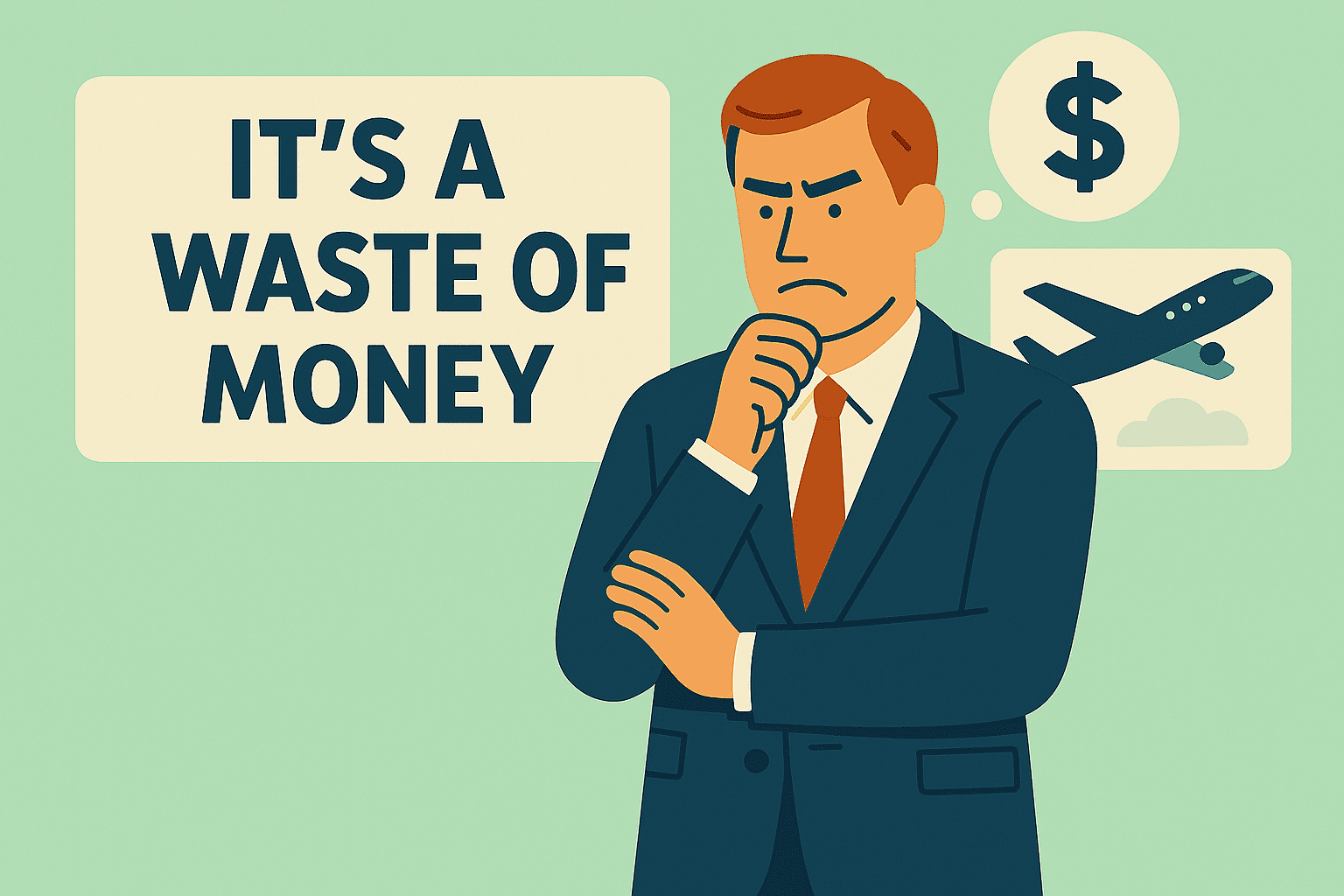
It seems paradoxical. A man with more money than he could ever spend—an investor, entrepreneur, or inheritor—still says, “It’s a waste of money.” He’s desperate to see his children overseas, yet he refuses to fly to them because he hates flying—and especially flying economy. The suggestion to fly business class is swiftly dismissed, not because he can’t afford it, but because it feels wrong to spend that much.
This is not an uncommon story. Many advisors and family office professionals will quietly nod in recognition. Even within immense wealth, a deeply entrenched scarcity mindset—a worldview shaped not by current means, but by earlier experiences, personal values, or unresolved fears —can persist.
Understanding the Scarcity Mindset
The scarcity mindset is a psychological framework in which a person focuses on what they don’t have rather than what they do. It often results in decisions that are risk-averse, emotionally conflicted, or even self-denying, especially in the context of spending or investing for personal joy or relationships.
Scarcity doesn’t only arise from lack. It can stem from:
• A childhood of deprivation, where even modest spending was discouraged or impossible.
• Inherited values, where thrift and prudence are culturally or morally prized—even sanctified.
• Fear of judgment, where others’ perceptions of indulgence create shame or discomfort.
• Control issues, where saving is a form of security or self-discipline in a chaotic world.
• A legacy complex, where preserving the family fortune takes priority over present-day emotional needs.
The High Cost of Saving
In the story of the father who wouldn’t fly to see his children, the cost wasn’t just a plane ticket—it was connection. His refusal to spend on comfortable travel didn’t conserve wealth; it cost him memories, intimacy, and a deeper relationship with his family.
We often discuss the emotional toll of scarcity among the poor, but it can be just as damaging—if more subtle—among the wealthy. Emotional estrangement, joylessness, and anxiety are often symptoms of unacknowledged scarcity. And ironically, this mindset may lead to a kind of poverty of experience.
From Scarcity to Stewardship
The antidote to scarcity is not reckless spending—it is conscious stewardship. That means asking not only “What does this cost?” but “What does this allow?” For high-net-worth individuals, this shift in mindset is subtle but profound.
A wealth manager, family governance advisor, or financial therapist can help reframe financial decisions around values and emotional returns:
• What would it mean to spend with purpose?
• What relationships could be enriched through generosity or travel?
• What fears lie beneath the reluctance to spend?
• How does this decision align with your desired legacy?
A New Measure of Wealth
Perhaps the real wealth lies not in the size of the portfolio, but in the freedom to act in alignment with what matters most. Flying business class to see your children is not a waste if it results in a deeper connection. Gifting generously is not imprudent if it supports the next generation’s growth. And taking time to travel, reflect, and enjoy the fruits of your labour is not indulgent—it is wise.
Family wealth professionals—especially those shaping family governance—play a crucial role in facilitating these conversations. They help families redefine wealth, not as hoarding or protecting, but as nurturing, connecting, and flourishing.
Because, in the end, the wealthiest are not those with the most to spend, but those who are most free to live fully.
Linda Graham is the founder of FinCommunications and a partner at FinDotNews. She plans to further her career by specialising in helping families with intergenerational wealth preserve their legacies by telling the stories of founders, guiding communications strategy, and fostering meaningful governance.


Leave A Comment